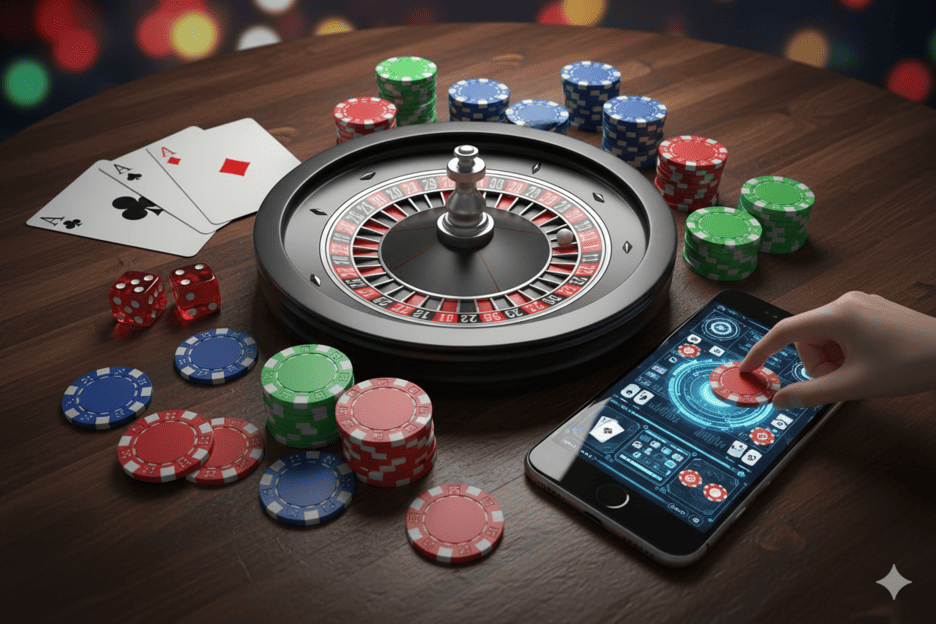
Can AI Create Fairer Games? The Debate on AI-Managed RNG

When I first explored the intersection of AI and RNG in online casinos, I realized that the conversation about fairness, transparency, and game integrity had entered a new dimension. From my perspective as a representative working within high-stakes online gaming, the question was not merely academic: AI has the potential to transform random number generation from a static, deterministic system into a dynamic, self-optimizing process capable of adapting to gameplay while maintaining fairness. The debate, however, is nuanced. Some argue that introducing AI into RNG management risks undermining the impartiality of games, while others, including myself, see it as an opportunity to enhance fairness, detect anomalies, and ensure truly unpredictable outcomes for every spin, roll, or card dealt.

Understanding RNG in Online Casinos

The Traditional Role of RNG

Random Number Generators (RNGs) are the backbone of online casino games:

Dynamic Odds and Payouts: Will AI Change the Math of Casino Games?

When I first explored the concept of AI dynamic odds, I realized that the traditional mathematics of casino games-which has long relied on fixed probabilities, static house edges, and pre-determined payout tables-might be on the verge of a radical transformation. From my perspective, as someone embedded in both the technological and operational sides of online casinos, AI has the potential to introduce real-time adaptability into game mechanics, adjusting odds and payouts based on player behavior, session dynamics, and predictive engagement modeling. This is not merely about enhancing profitability or introducing volatility; it is about fundamentally rethinking probability management and the player experience, creating a landscape where every spin, hand, or roll could dynamically respond to the context in which it occurs. In Germany and other regulated markets, this evolution presents both extraordinary opportunities for engagement and complex challenges in ensuring fairness, transparency, and regulatory compliance.

The Traditional Math of Casino Games

Fixed Probabilities and House Edge

Historically, casino games have relied on immutable statistical models:

Back to Top